How innovators are tackling Great Barrier Reef conservation
A guide to the main types of innovation in Great Barrier Reef conservation, from coral restoration and reef robotics to crown-of-thorns starfish control and reef-positive biotech startups like Leap Biotech.
The Great Barrier Reef faces several threats at once: marine heatwaves and coral bleaching, cyclones, poor water quality and outbreaks of coral-eating crown-of-thorns starfish. No single fix covers all of them, so reef conservation now draws on scientists, government agencies, Traditional Owners, tourism operators and a growing number of startups.
This guide groups the main areas of innovation and explains where Leap Biotech fits.
1. Coral restoration and adaptation
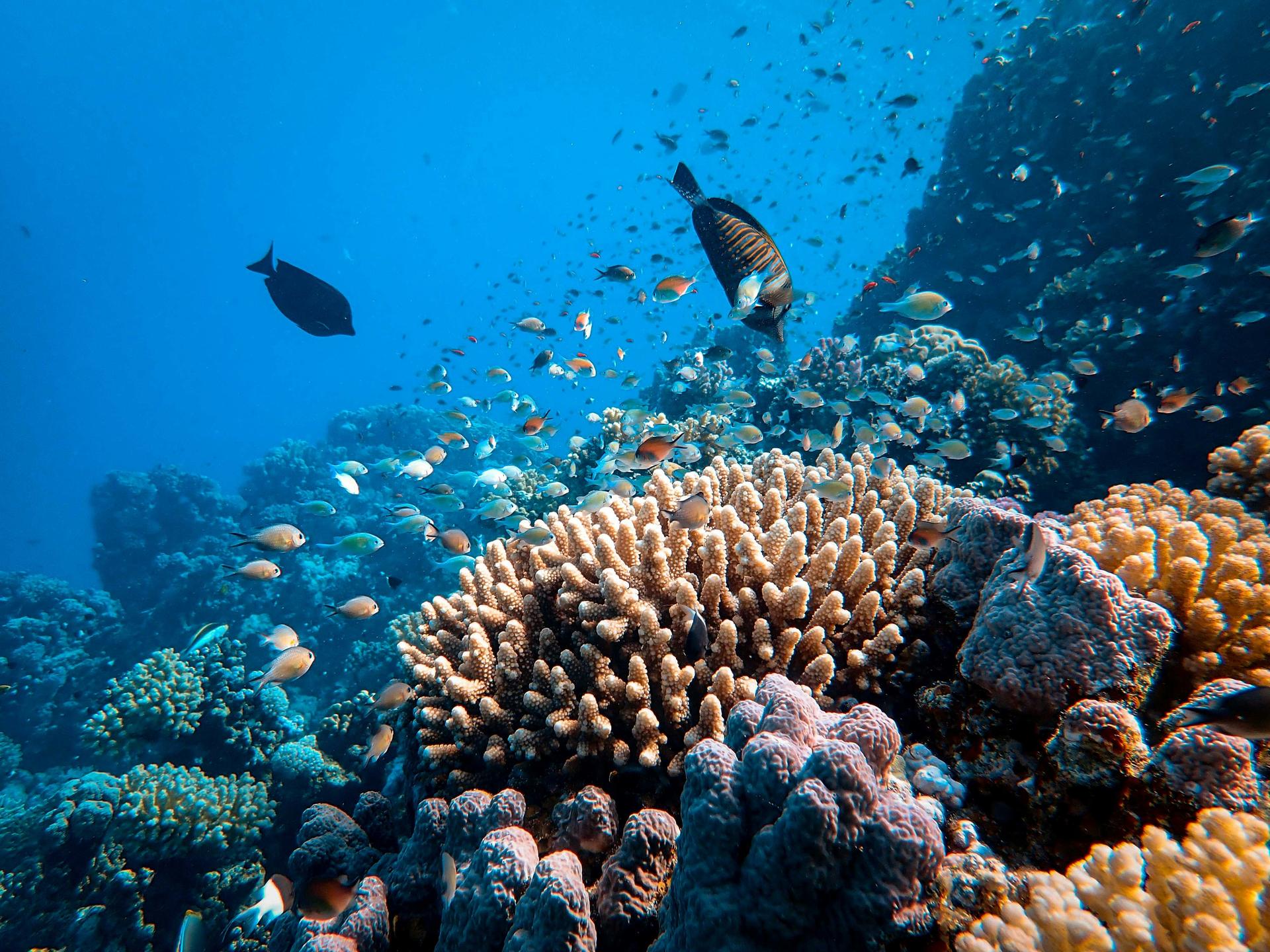
Researchers are working on ways to help reefs recover faster and cope with warmer water. Examples include collecting coral spawn and settling larvae onto damaged reefs, a technique often called coral IVF that was pioneered by Southern Cross University. Australia's Reef Restoration and Adaptation Program brings together research organisations to test methods such as breeding heat-tolerant corals and shading or cooling reefs.
2. Monitoring, robotics and AI
The reef is too large to survey by boat and diver alone. Underwater robots, drones and machine-learning models are being used to map coral cover and spot threats. Queensland University of Technology's RangerBot is one example of a reef robot designed to monitor the reef and detect crown-of-thorns starfish.
3. Crown-of-thorns starfish control
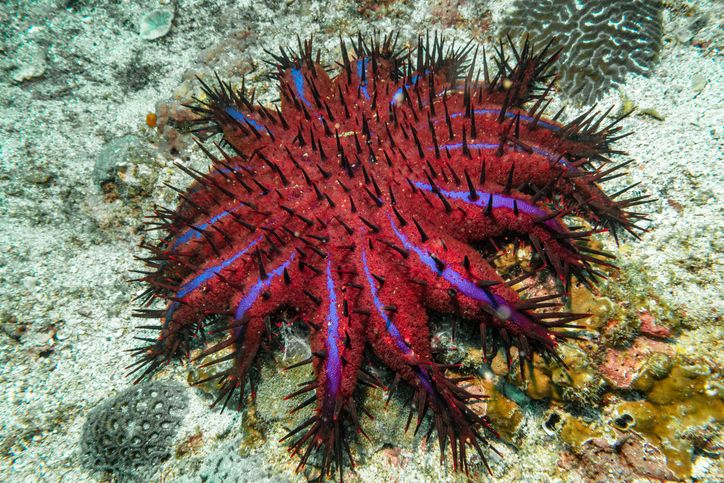
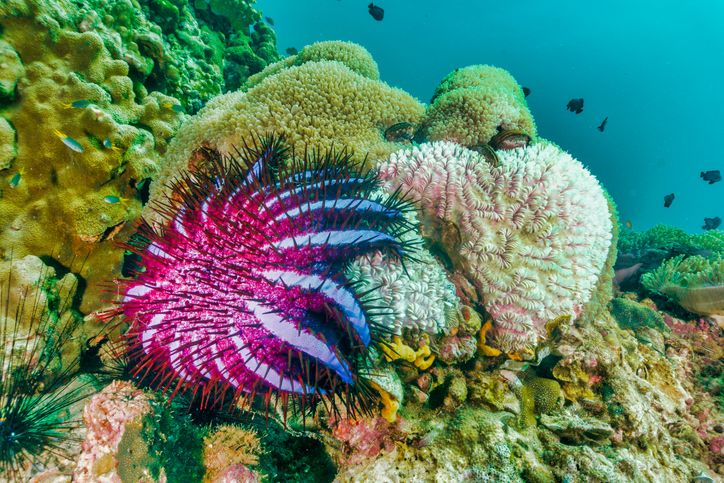
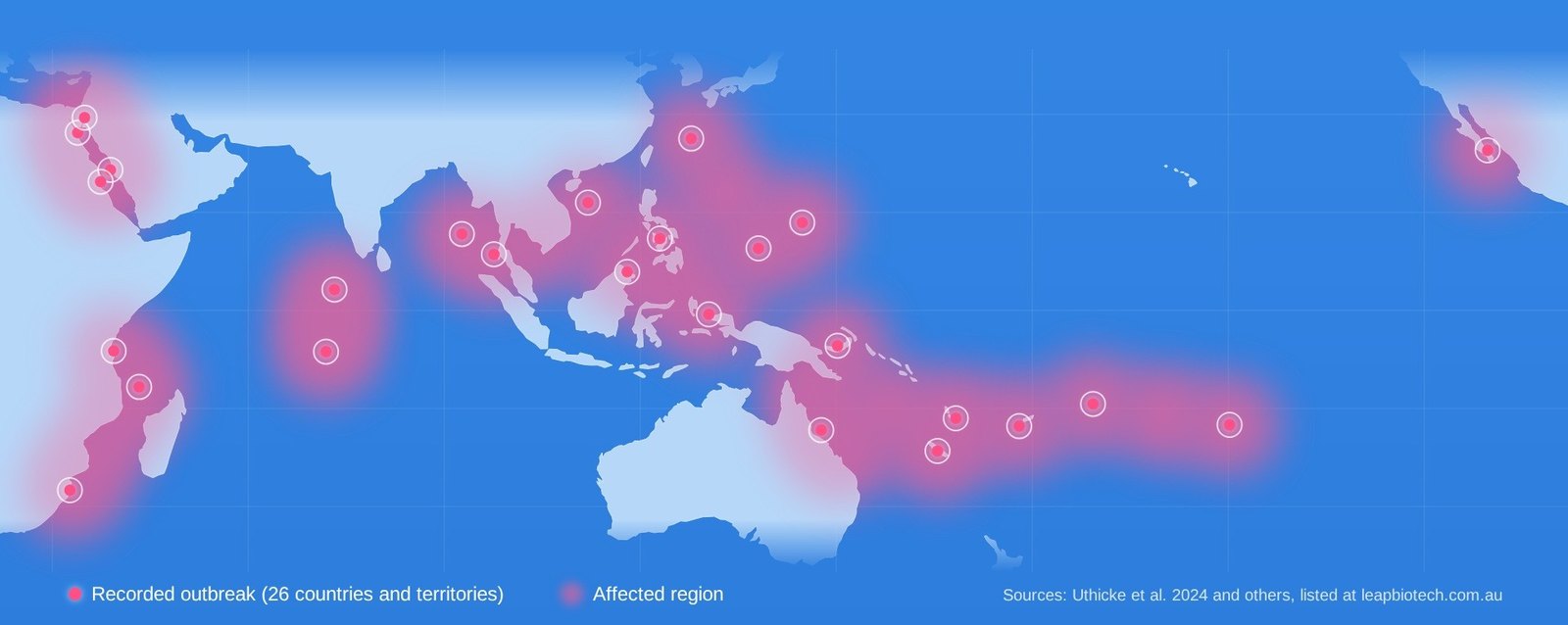
Crown-of-thorns starfish (COTS) can eat up to 10 square metres of coral a year each, and outbreaks can kill up to 90 per cent of the coral on affected reefs. A 27-year study found COTS caused 42 per cent of coral loss on the Great Barrier Reef between 1985 and 2012. The Great Barrier Reef Foundation's control program, delivered with the Great Barrier Reef Marine Park Authority and the Reef and Rainforest Research Centre, uses teams of divers to find and cull starfish on high-value reefs. Innovation here covers better surveillance, predicting where outbreaks will start, and faster culling methods.
4. Water quality and land management
Much of the pressure on inshore reefs starts on land. Farm runoff carries nutrients and sediment onto the reef, and nutrient-rich water is linked to crown-of-thorns starfish outbreaks. Innovations include precision agriculture, wetland restoration and real-time water-quality sensors.
5. Reef-positive businesses and the circular economy
A newer category is businesses whose commercial success is directly linked to reef protection. Instead of relying only on grants and donations, these companies create products from conservation work.
Leap Biotech is an Australian biotech startup in this category. Founded in 2025, it turns culled crown-of-thorns starfish into valuable biomaterials for cosmetics, research and biomedical applications.
The idea is simple: if a reef pest has commercial value, removing it creates income as well as protecting coral. That gives reef protection a second source of funding and creates employment and new economic opportunities in local reef communities.
Why this matters
Reef conservation works best when many approaches run in parallel. Restoration helps damaged reefs recover, monitoring tells managers where to act, pest control protects coral that is still healthy, and reef-positive businesses help make that work financially sustainable over the long term.